
Guides
Construction loans 101: how progress payments actually work
From slab to keys, your lender pays the builder in stages rather than handing over one lump sum. Here's each draw in plain English, and what you'll need at every step.
Guides
How a construction loan is different
With a normal home loan, the lender advances the full amount at settlement and you start repaying it. A construction loan works differently: the lender releases the money in stages, called progress payments or progress draws, as your builder completes each phase of the build. The builder invoices at the end of each stage, the lender checks the work has been done, and then pays the builder directly.
Want the detail, stage by stage, including what has to exist before the final progress payment is released? See our full guide to how construction progress payments work.
During the build, you generally only pay interest on the amount that has actually been drawn down so far, not the whole approved loan. As each stage is paid out, the drawn balance grows, and once the build is finished the loan usually rolls over to normal repayments. Our repayments calculator gives you a feel for what those look like once you're in.
The typical stages, slab to keys
Most standard building contracts break the build into five progress-payment stages after your deposit:
- Deposit. Paid to the builder when the contract is signed, to cover plans, permits and getting the project moving.
- Base (slab). The site is prepared and the foundations or slab are poured. Your block officially becomes a building site.
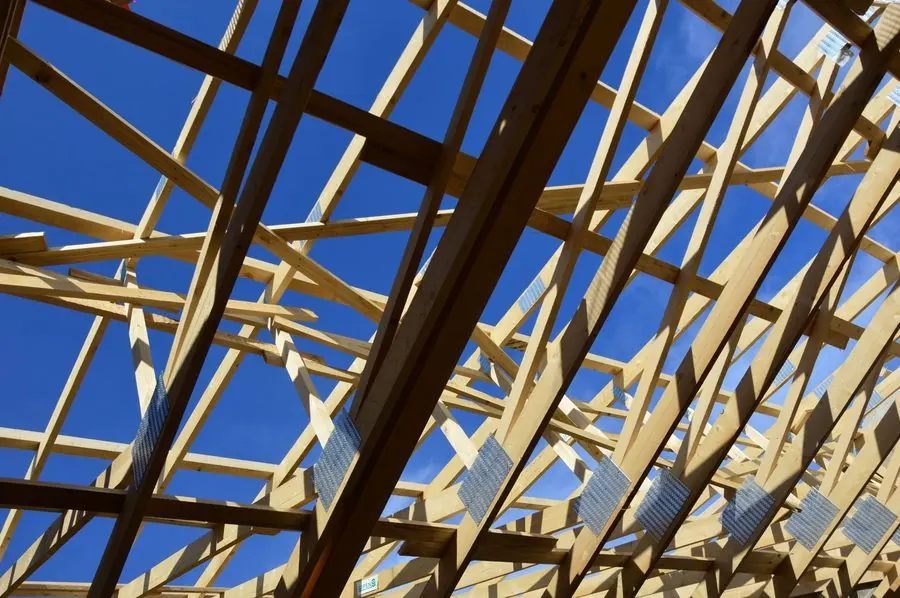
- Frame. The skeleton of the house goes up: wall frames, roof trusses, and the shape of every room appears seemingly overnight.
- Lock-up (enclosed). External walls, roof cover, windows and external doors are in. The house can literally be locked up.
- Fixing (fit-out). The inside comes together: internal cladding and linings, doors, architraves, kitchen cupboards, the fittings that make it feel like a home.
- Practical completion. The finishing trades are done, you walk through with the builder, defects are listed and fixed, and the final payment is made before you get the keys.
Exact stage names and percentages vary between builders and states, and custom contracts can differ, so always check your own building contract's payment schedule.
What happens at each draw
Each progress payment follows a similar rhythm:
- The builder finishes the stage and sends you an invoice.
- You sign an authority telling the lender you're happy for that stage to be paid.
- The lender may send a valuer to confirm the work matches the stage being claimed. On the final stage this inspection is standard.
- The lender pays the builder directly and your drawn loan balance increases.
The most common friction points are paperwork ones: invoices that don't match the contract schedule, missing signed authorities, or variations that weren't documented. Keeping your paper trail tidy keeps your builder paid on time, and a happy builder keeps your build moving.
Where a broker fits in
Construction lending has more moving parts than a standard purchase: the land, the building contract, the plans, insurances and the progress schedule all need to line up for approval, and lenders differ in how they handle variations, out-of-contract items and owner-supplied work. We help you get the application right the first time, chase the draws along, and keep the lender and builder talking. It's a process we know well, and a core part of our construction loan service.
Planning a build? Book a free chat and we'll talk through how the finance side works for your project, or explore the numbers first with our calculators.
Planning a build?
Let's talk it through
A quick chat costs nothing, and you'll leave knowing where you stand.